Below is the plain-English version, plus why this matters (even if you never import a single widget from anywhere).
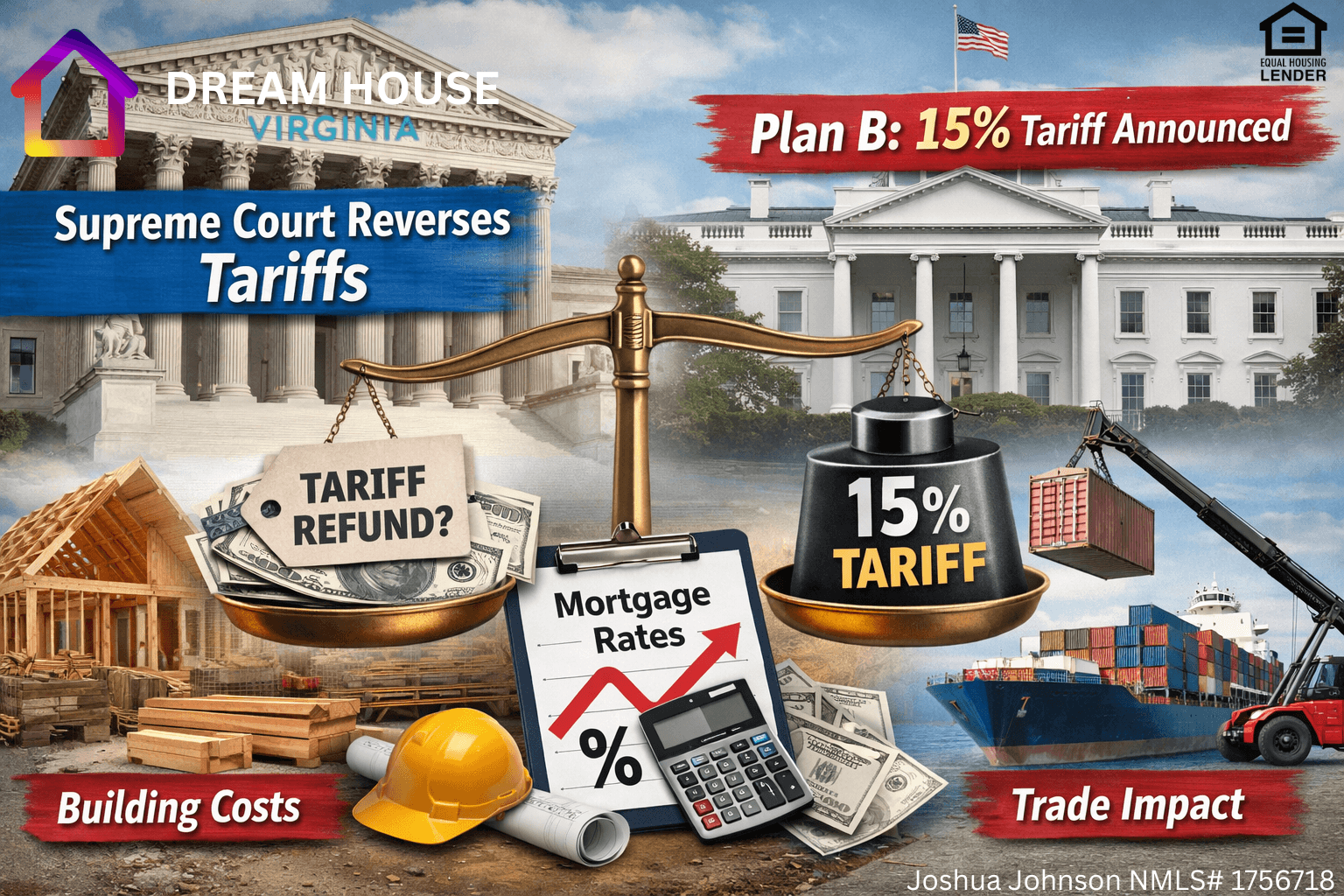
On February 20, 2026, the Supreme Court held that the International Emergency Economic Powers Act (IEEPA) does not authorize the President to impose tariffs. In other words: using that statute as the legal “engine” for broad tariffs was not allowed.
This decision affected tariffs tied specifically to the IEEPA-based orders, not every tariff on the books.
Following the ruling, U.S. Customs and Border Protection (CBP) indicated it would stop collecting the affected IEEPA tariffs, with tariff codes linked to those orders being turned off at 12:01 a.m. ET on Tuesday, February 24, 2026.
The White House also issued an order ending those IEEPA-based tariff actions (again, narrowly scoped to that authority).
Here’s where the story stops being a clean ending and becomes… a sequel.
In response to the Supreme Court decision, the administration pivoted to other trade authorities and announced a replacement strategy. Reuters and other outlets have reported a new approach using Section 122 of the Trade Act of 1974, which can allow broad, temporary tariffs (with limits), and the administration indicated it would raise the global tariff level to 15%.
A key detail: Section 122 is time-limited unless extended by Congress (commonly described as up to 150 days without congressional action).
So while the Supreme Court slammed one legal door, the administration is walking through another, with a tariff rate that is now being discussed at 15%.
Most people don’t wake up thinking about tariff codes. But tariffs can quietly show up in places you do feel, including housing costs and interest rate expectations.
Tariffs can increase the cost of imported components and finished goods that matter to housing and remodeling (think fixtures, appliances, certain finishes, and some material inputs). Even when something is “Made in the USA,” supply chains often aren’t purely domestic.
Practical takeaway: If you’re budgeting renovations, padding your contingency fund becomes even more important.
Builders and suppliers price based on input costs and uncertainty. Rapid policy shifts can increase “just-in-case” pricing or cause stop-and-go purchasing behavior.
Practical takeaway: If you’re shopping new construction, ask what’s locked, what’s variable, and whether allowances might change.
Tariffs can be inflationary, and inflation expectations are one of the ingredients markets watch when pricing bonds (including mortgage-backed securities). This doesn’t mean “tariffs up = rates up tomorrow,” but it can add noise and volatility.
Practical takeaway: If you’re rate-sensitive, it’s worth tracking weekly movement and having a lock strategy ready.
(For a deeper economic explainer of what changed and what didn’t after the ruling, PIIE has a helpful breakdown.)
Let’s keep the boundaries crisp:
It does not automatically eliminate other tariff programs (like those tied to national security or unfair trade practice authorities).
It does not guarantee immediate refunds or a simple refund process for tariffs already collected. That question is still being fought out in courts and policy channels.
It does not end tariff uncertainty, because the administration has already moved to alternative legal tools and new investigations that could lead to additional changes.
Here are the calm, non-doomscroll steps:
Buying soon (30–90 days): Treat rate volatility like weather. You don’t need panic, but you do want an umbrella. Get pre-approved and talk through lock options as your contract timing firms up.
Renovating this spring: Build a bigger contingency than you think you need, and price big-ticket items early.
New construction: Ask your builder/sales rep what happens if material costs move, and whether your contract has escalation clauses or allowance flexibility.
We keep an eye on national policy changes like this because they can ripple into the two things that matter most for real-life home decisions:
Monthly payment affordability (rates + price)
Total project cost (especially for repairs and renovations)
If you want, tell us what you’re planning (buy, refi, renovate, build) and your target timeline, and we’ll share a quick, plain-English read on what the latest rate and affordability signals look like this week.
