April 16, 2026 | 4 min read
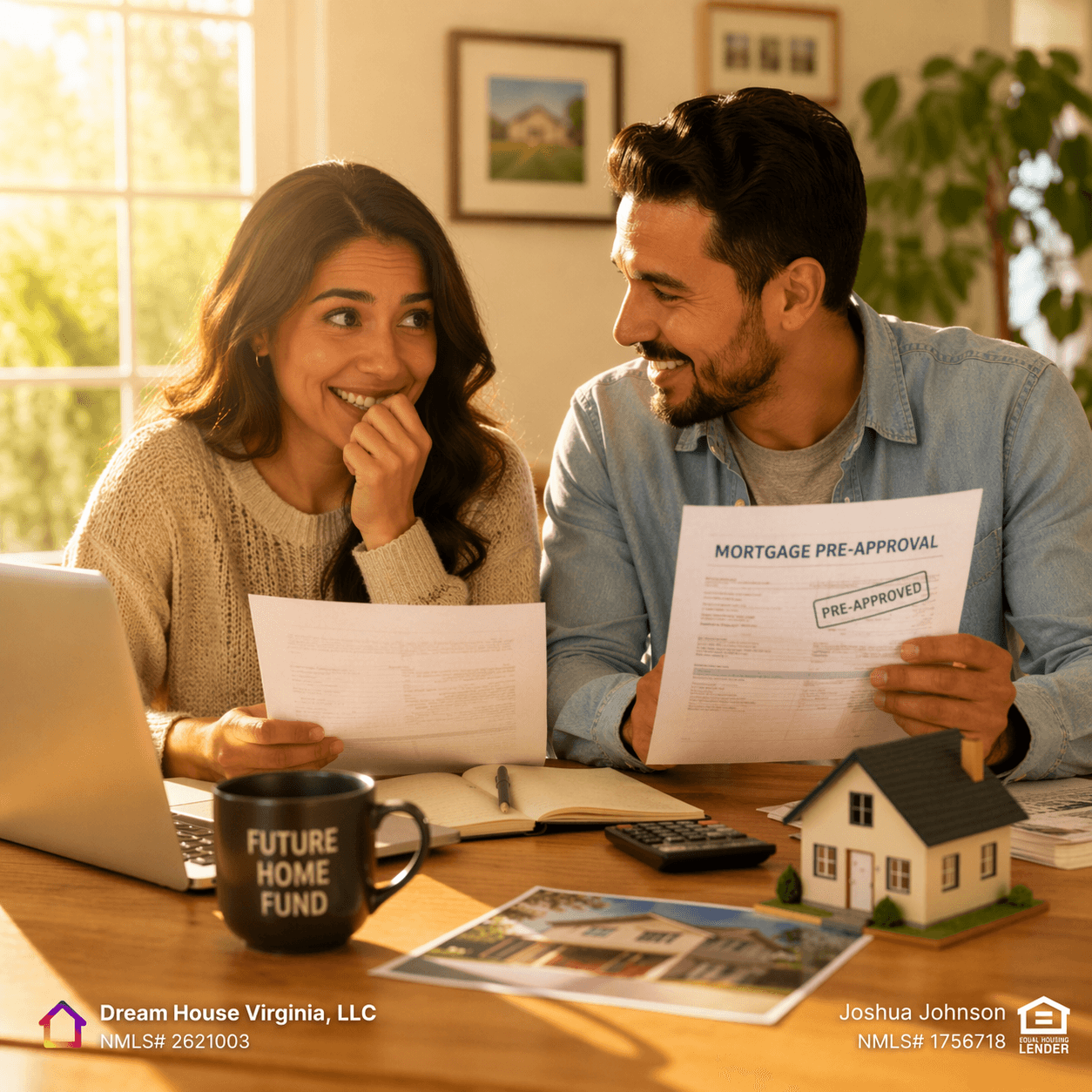
When people think about buying a home, they usually focus on one question:
“What if I buy too soon?”
That is a fair question. No one wants to make a major financial decision at the wrong time.
But there is another question that deserves just as much attention:
What is the cost of waiting another year?
For many buyers, waiting feels safe. It feels like the cautious move. Maybe rates will improve. Maybe prices will cool off. Maybe inventory will open up. Maybe life will feel less hectic a few months from now.
Maybe.
But waiting is not neutral. It has a cost too.
If you are renting, another year usually means another twelve months of housing payments that do not build equity.
That does not make renting bad. Renting can be the right move in a lot of seasons of life. It offers flexibility, lower maintenance responsibility, and sometimes a simpler monthly budget.
But if your long-term goal is ownership, it is worth being honest about what waiting means.
Another year of rent is another year of paying for housing without moving closer to owning the place you live in.
A lot of people delay buying because they are hoping home prices will drop dramatically.
Sometimes buyers picture a future where waiting gives them a much better deal. But markets do not always move that way. Even modest price changes can work against a buyer who is sitting on the sidelines.
If home prices rise even a little over the next year, the home you are eyeing today may cost more later. That means a higher down payment target, a higher loan amount, or both.
Waiting for the perfect discount can turn into chasing a moving target.
It is true that mortgage rates affect affordability. A lower rate can improve payment and purchasing power.
But many buyers spend so much time watching rates that they forget to prepare the things they can actually control right now.
A better rate in the future only helps if you are ready to act when it arrives.
That is one of the biggest hidden costs of waiting. Some people are not really waiting for the market. They are waiting without a plan.
Real estate is personal. It is not just a chart or a headline.
Sometimes the right opportunity shows up before the “perfect” market does.
Those things have value too.
Waiting another year might mean paying more later. It might also mean putting off a living situation that would have made your everyday life better much sooner.
This is not a message that everyone should rush out and buy now.
Sometimes waiting is absolutely the right move.
If you need to build savings, improve credit, reduce debt, or create more stability in your income, then waiting may be smart. But even then, the goal should not be passive waiting. It should be strategic waiting.
There is a big difference between:
One is a strategy.
The other is drift.
Instead, try asking:
If I wait one more year, what exactly am I hoping will improve?
Then ask:
What happens if that improvement does not come the way I expect?
That is where the conversation gets more useful.
Because the true cost of waiting is not just financial. It can also be emotional, practical, and personal. Another year in a space that no longer fits. Another year of uncertainty. Another year of postponing a goal that matters to you.
Waiting can be wise.
But waiting without clarity can be expensive.
If buying is on your mind, even if you are not ready today, it may be worth looking at the numbers now so you can make a decision based on your situation, not just the headlines.
The question is not simply whether waiting feels safer.
It is whether waiting is actually helping you get where you want to go.
