April 22, 2026 | 4 min read
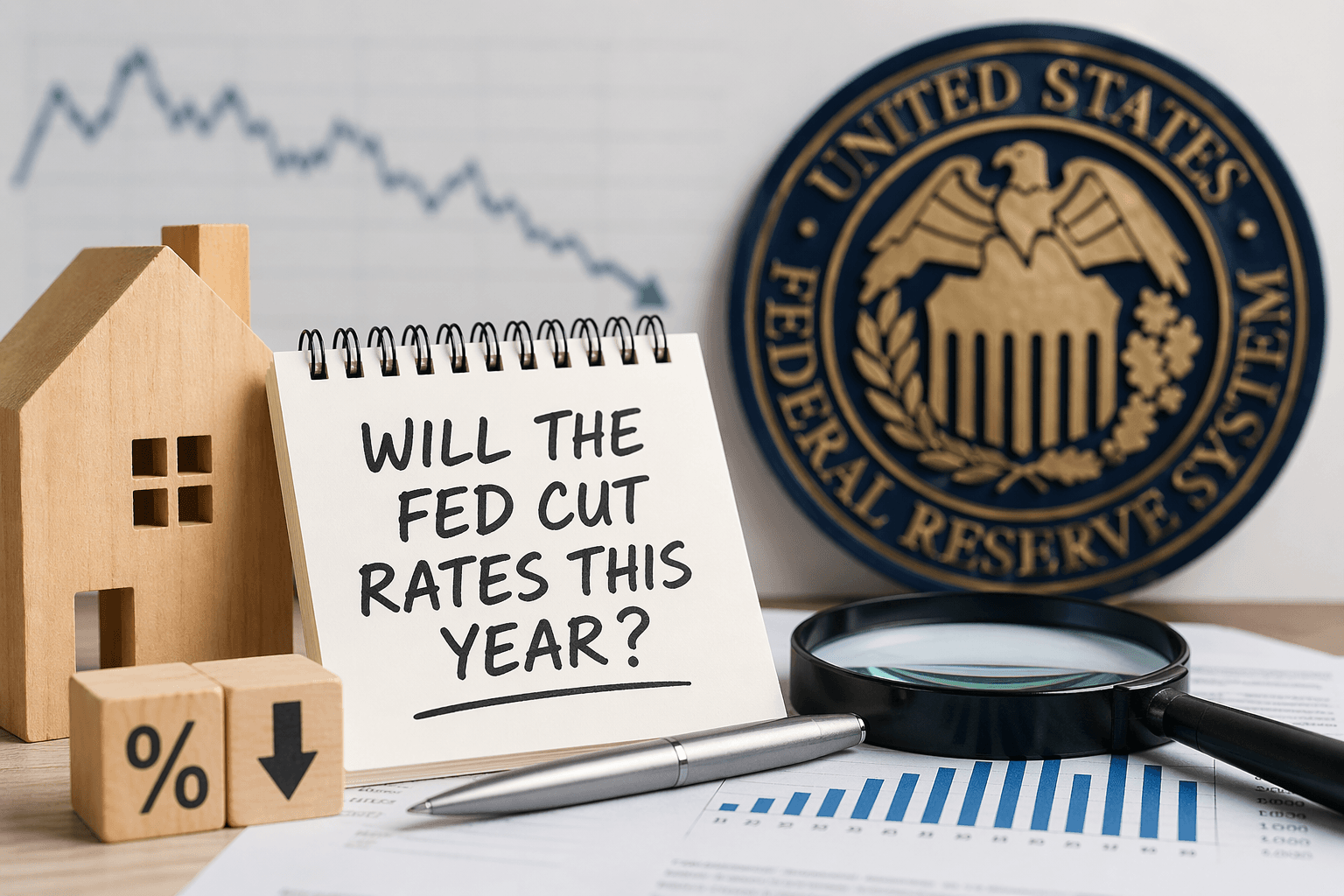
For much of the past several months, plenty of people in housing, finance, and the broader market had been hoping 2026 would bring a clearer path to lower rates. That hope has not disappeared, but it has gotten a lot fuzzier. As of this week, the better question is not “Will the Fed cut?” so much as “How long is the Fed willing to wait?” Reuters reported on April 22 that economists have been pushing back expectations for easing as inflation risks remain in play.
The Federal Reserve left its benchmark rate unchanged at its March 17 to 18 meeting, and its latest projections still showed a median year-end federal funds rate of 3.4% for 2026, which implies some easing from current levels. But the Fed also made clear that uncertainty remains elevated, inflation is still not back to target, and new geopolitical pressure, especially through energy prices, has made the path forward less comfortable than many expected, according to the Federal Reserve’s March 2026 statement and projections.
That is why the answer today looks something like this: yes, a rate cut is still possible this year, but it is far from a lock, and if it comes, it may arrive later and in smaller doses than markets were hoping for. A Reuters poll published April 22 found most economists still expect at least one cut in 2026, but a growing share now believes the Fed could stay on hold all year if inflation does not cool enough.
For homebuyers and homeowners, this matters, but maybe not in the dramatic movie-trailer way headlines suggest. The Fed does not set mortgage rates directly. Mortgage pricing tends to move based on inflation expectations, Treasury yields, bond-market sentiment, and broader economic risk. So even if the Fed eventually cuts, mortgage rates may not fall quickly, neatly, or by much. Freddie Mac’s latest weekly survey showed the average 30-year fixed rate at 6.30% as of April 16, down from 6.37% the week before, which is a reminder that mortgage rates can drift even when the Fed is standing still.
That disconnect is part of what has made this market feel so strange. The Fed is cautious. Mortgage rates are still elevated compared with the ultra-low era people remember. Buyers are watching affordability closely. And yet there are still signs of demand under the surface. The National Association of REALTORS reported that March pending home sales rose 1.5% from February, even while pending sales were still down 1.1% year over year. In plain English: people have not lost interest in buying, but many are still waiting for the math to feel better.
You can see that same tension in the broader housing numbers. Existing-home sales fell 3.6% in March to a seasonally adjusted annual rate of 3.98 million, while inventory rose to 1.36 million units, or a 4.1-month supply. NAR also said March home sales remained sluggish and below last year’s pace, even as prices continued to rise. That is not a market collapse. It is more like a traffic jam with a few extra lanes opening up.
The Fed’s own minutes hint at the same split-screen reality. According to the March meeting minutes, refinancing activity increased, but home-purchase borrowing remained subdued. That tells us households are still responsive when the math improves, but many would-be buyers are staying cautious in the face of higher monthly payments and economic uncertainty.
First, watch inflation more than rate-cut chatter. If inflation stays sticky, the Fed has less room to move. If inflation cools convincingly, the case for easing gets stronger. Right now, that remains the central tug-of-war, as reflected in the latest economist reporting from Reuters.
Second, watch mortgage-rate movement itself, not just the Fed. Mortgage rates can improve before a Fed cut, and they can stay stubborn even after one. For buyers, the payment is the planet. Everything else is weather. You can track that movement through Freddie Mac’s weekly mortgage survey.
Third, watch inventory in your local market. National trends matter, but the real opportunity often comes when more listings show up and competition cools just enough to create breathing room. That may end up mattering more to your purchase than whether the Fed cuts once or twice. Recent NAR housing data points to slightly improved inventory, even if affordability is still a challenge.
The bottom line for this week’s What to Watch Wednesday is simple: the Fed may still cut rates in 2026, but the odds of a quick or aggressive easing cycle look weaker than they did earlier in the year. For buyers, that means waiting for a perfect headline may not be the winning move. Preparation still matters more than prediction. If the right home shows up and the payment works for your budget, the smartest strategy may be to buy based on today’s numbers and keep your future options open.
